
Introduction
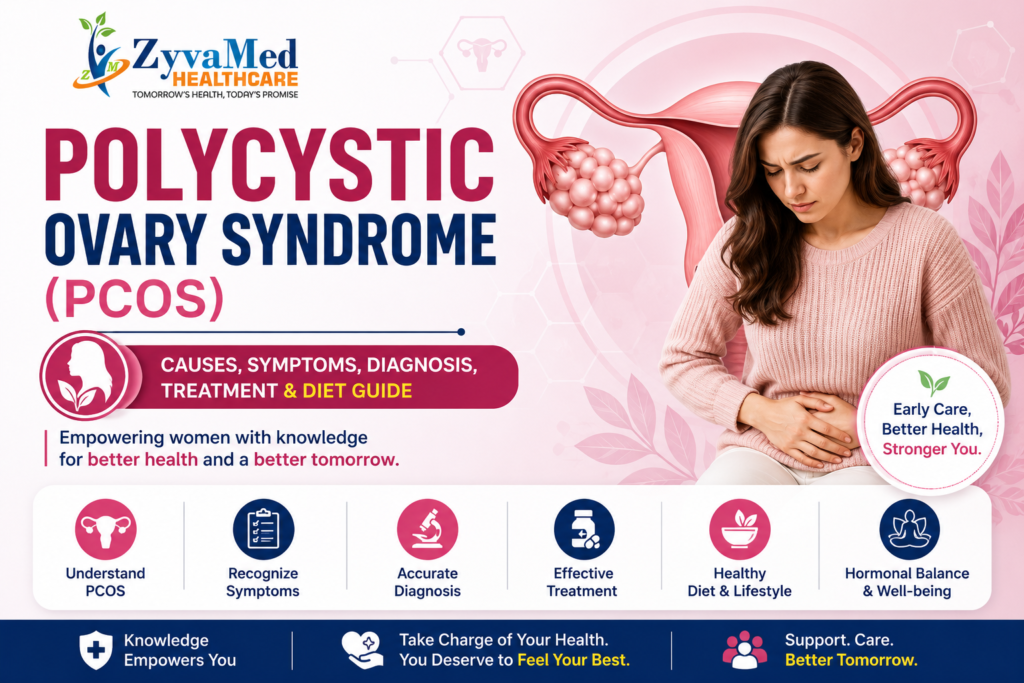
Polycystic Ovary Syndrome (PCOS) is one of the most common hormonal disorders affecting women of reproductive age. Millions of women worldwide suffer from PCOS, yet many remain undiagnosed due to its varied symptoms. PCOS not only affects fertility but can also impact metabolism, mental health, weight management, and long-term health.
Understanding the causes, symptoms, and treatment options for PCOS is essential for early diagnosis and effective management. With the right lifestyle changes, diet, and medical care, women with PCOS can lead healthy and fulfilling lives.
What is Polycystic Ovary Syndrome (PCOS)?
Polycystic Ovary Syndrome (PCOS) is a hormonal condition in which the ovaries produce higher-than-normal levels of androgens (male hormones). This hormonal imbalance can interfere with ovulation and cause irregular menstrual cycles.
Women with PCOS may develop multiple small fluid-filled sacs (cysts) in their ovaries, although not every woman with PCOS has ovarian cysts.
PCOS is one of the leading causes of female infertility and affects approximately 1 in 10 women of reproductive age.
What Causes PCOS?
The exact cause of PCOS remains unknown, but several factors contribute to its development:
1. Insulin Resistance
Many women with PCOS have insulin resistance, meaning their bodies cannot effectively use insulin. This causes increased insulin production, which may trigger excess androgen production.
2. Hormonal Imbalance
Elevated androgen levels can prevent the ovaries from releasing eggs regularly, leading to irregular periods and fertility issues.
3. Genetics
PCOS often runs in families. Women with a mother or sister who has PCOS are more likely to develop the condition.
4. Chronic Inflammation
Low-grade inflammation may stimulate the ovaries to produce more androgens, worsening symptoms.
Common Symptoms of PCOS
Symptoms can vary from person to person. Some women experience mild symptoms, while others may face significant health challenges.
Menstrual Symptoms
- Irregular periods
- Missed periods
- Heavy menstrual bleeding
- Infrequent ovulation
Physical Symptoms
- Weight gain or difficulty losing weight
- Excess facial and body hair (Hirsutism)
- Acne and oily skin
- Thinning hair or hair loss
- Dark patches of skin around the neck, armpits, or groin
Reproductive Symptoms
- Difficulty getting pregnant
- Infertility due to irregular ovulation
Emotional Symptoms
- Anxiety
- Depression
- Mood swings
- Low self-esteem
Risk Factors for PCOS
Several factors increase the risk of developing PCOS:
- Family history of PCOS
- Obesity or overweight
- Insulin resistance
- Type 2 diabetes
- Sedentary lifestyle
- Hormonal disorders
Potential Complications of PCOS
If left untreated, PCOS can lead to several health complications:
Fertility Problems
Irregular ovulation can make conception difficult.
Type 2 Diabetes
Insulin resistance increases the risk of diabetes.
High Blood Pressure
Women with PCOS have a higher risk of hypertension.
Heart Disease
Elevated cholesterol and obesity contribute to cardiovascular risk.
Sleep Apnea
More common among overweight women with PCOS.
Endometrial Cancer
Irregular menstrual cycles may increase the risk of uterine lining abnormalities.
Mental Health Issues
Anxiety, depression, and emotional distress are common among women with PCOS.
How is PCOS Diagnosed?
There is no single test for PCOS. Healthcare providers usually diagnose it based on symptoms, medical history, and examinations.
Physical Examination
- Weight and BMI assessment
- Blood pressure monitoring
- Signs of excess hair growth or acne
Blood Tests
These may include:
- Hormone levels
- Blood sugar levels
- Insulin levels
- Cholesterol profile
Ultrasound Scan
An ultrasound may reveal enlarged ovaries or multiple small follicles.
Treatment Options for PCOS
Although there is no permanent cure for PCOS, symptoms can be effectively managed.
Lifestyle Modifications
For many women, lifestyle changes are the first line of treatment.
Weight Management
Even a 5–10% reduction in body weight can significantly improve symptoms.
Regular Exercise
Physical activity improves insulin sensitivity and hormonal balance.
Stress Reduction
Yoga, meditation, and adequate sleep can help manage symptoms.
Medications for PCOS
Depending on symptoms and treatment goals, doctors may prescribe:
Birth Control Pills
Help regulate periods and reduce androgen levels.
Metformin
Improves insulin sensitivity and may restore ovulation.
Fertility Medications
Used for women trying to conceive.
Anti-Androgen Medications
Reduce excessive hair growth and acne.
Always consult a healthcare professional before starting any medication.
Best Diet for PCOS
A healthy diet plays a vital role in managing PCOS symptoms.
Foods to Include
High-Fiber Foods
- Vegetables
- Fruits
- Whole grains
- Legumes
Lean Proteins
- Fish
- Eggs
- Chicken
- Lentils
Healthy Fats
- Nuts
- Seeds
- Avocados
- Olive oil
Low-Glycemic Foods
- Brown rice
- Oats
- Quinoa
- Sweet potatoes
Foods to Limit
- Sugary beverages
- Processed foods
- White bread and refined carbohydrates
- Fast food
- Excessive sweets
- Trans fats
Can PCOS Be Prevented?
Since genetics play a role, PCOS cannot always be prevented. However, adopting healthy habits can reduce the severity of symptoms and lower associated health risks.
Prevention Tips
- Maintain a healthy weight
- Exercise regularly
- Eat a balanced diet
- Manage stress effectively
- Get routine health checkups
- Monitor blood sugar levels
PCOS and Pregnancy
Many women with PCOS successfully conceive and have healthy pregnancies. Early diagnosis and proper treatment improve fertility outcomes significantly.
Women planning pregnancy should:
- Maintain a healthy weight
- Monitor ovulation
- Follow medical advice
- Manage blood sugar levels
Fertility treatments may be recommended if natural conception becomes difficult.
Living with PCOS
PCOS is a long-term condition, but it does not have to control your life. With the right medical care, nutrition, exercise, and emotional support, women can manage symptoms effectively and reduce future health risks.
Early diagnosis remains one of the most important factors in preventing complications and improving quality of life.
Frequently Asked Questions (FAQs)
1. What are the first signs of PCOS?
Irregular periods, weight gain, acne, and excessive facial hair are among the earliest signs.
2. Can PCOS cause infertility?
Yes. PCOS is one of the leading causes of female infertility due to irregular ovulation.
3. Is PCOS curable?
There is currently no permanent cure, but symptoms can be effectively managed through lifestyle changes and medical treatment.
4. Can losing weight improve PCOS?
Yes. Even modest weight loss can improve hormone levels, insulin sensitivity, and menstrual regularity.
5. Does every woman with PCOS have ovarian cysts?
No. Some women may have PCOS without visible ovarian cysts.
6. Which foods are best for PCOS?
High-fiber foods, lean proteins, healthy fats, fruits, vegetables, and whole grains are beneficial.
7. Can women with PCOS get pregnant naturally?
Yes. Many women with PCOS conceive naturally, although some may require fertility support.
8. Is PCOS linked to diabetes?
Yes. Insulin resistance associated with PCOS increases the risk of Type 2 Diabetes.
9. At what age does PCOS usually develop?
PCOS often develops during adolescence or early adulthood.
10. Can exercise help manage PCOS?
Absolutely. Regular exercise improves insulin sensitivity, supports weight management, and helps regulate hormones.
Conclusion
Polycystic Ovary Syndrome (PCOS) is a common but manageable hormonal disorder that affects millions of women worldwide. Early diagnosis, healthy lifestyle choices, proper nutrition, regular exercise, and medical guidance can significantly improve symptoms and reduce long-term complications. If you experience irregular periods, unexplained weight gain, excessive hair growth, or fertility concerns, consult a healthcare professional for evaluation and personalized treatment.