Introduction
Iron deficiency anemia is one of the most common nutritional deficiencies worldwide, affecting millions of people across all age groups. Iron is an essential mineral that helps the body produce hemoglobin, a protein found in red blood cells that carries oxygen from the lungs to the rest of the body.
When the body does not have enough iron, it cannot produce sufficient healthy red blood cells, leading to iron deficiency anemia. This condition can cause fatigue, weakness, dizziness, and reduced immunity if left untreated.
Understanding the causes, symptoms, prevention methods, and treatment options can help you maintain healthy iron levels and improve your overall well-being.
What Is Iron Deficiency Anemia?
Iron deficiency anemia occurs when the body’s iron stores become depleted, resulting in lower hemoglobin production. Since hemoglobin is responsible for transporting oxygen throughout the body, a lack of iron can affect the normal functioning of various organs and tissues.
Iron deficiency may develop gradually and often goes unnoticed in its early stages. However, timely diagnosis and proper management can prevent serious complications.
Why Is Iron Important?
Iron plays several crucial roles in the body:
- Helps produce hemoglobin
- Supports oxygen transport
- Boosts energy production
- Strengthens the immune system
- Supports brain function
- Promotes healthy growth and development
Without adequate iron, the body struggles to perform these essential functions efficiently.
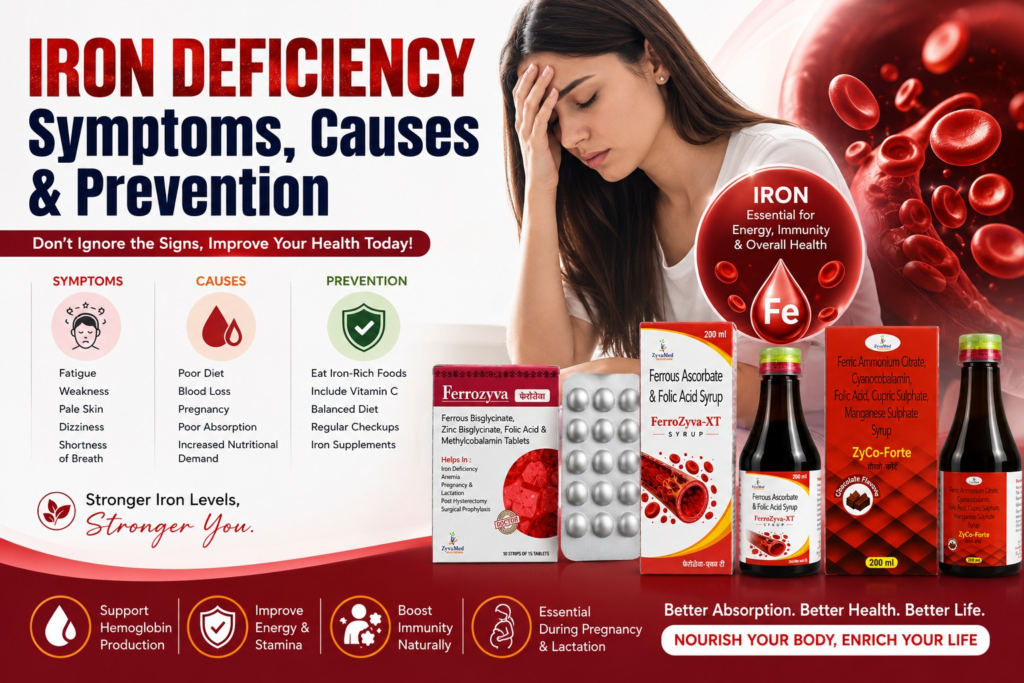
Symptoms of Iron Deficiency
The symptoms of iron deficiency can vary depending on the severity of the condition.
Common Symptoms
- Persistent fatigue
- Weakness
- Pale skin
- Dizziness
- Headaches
- Shortness of breath
- Cold hands and feet
- Rapid heartbeat
- Reduced concentration
- Poor physical performance
Severe Symptoms
- Brittle nails
- Hair loss
- Chest pain
- Restless legs syndrome
- Craving non-food items such as ice or clay (Pica)
If you experience these symptoms frequently, consult a healthcare professional for proper evaluation.
Causes of Iron Deficiency
Several factors can contribute to low iron levels.
Poor Dietary Intake
A diet lacking iron-rich foods is one of the most common causes of iron deficiency.
Blood Loss
Blood loss can significantly reduce iron stores. Common causes include:
- Heavy menstrual bleeding
- Gastrointestinal bleeding
- Ulcers
- Surgery
- Frequent blood donation
Pregnancy
Pregnant women require more iron to support fetal growth and increased blood volume.
Poor Iron Absorption
Certain medical conditions can reduce iron absorption, including:
- Celiac disease
- Crohn’s disease
- Gastric surgery
- Digestive disorders
Increased Nutritional Demand
Growing children, adolescents, and athletes often require higher iron intake.
Risk Factors for Iron Deficiency
Some individuals are at greater risk of developing iron deficiency.
Women
Women of reproductive age are more vulnerable due to menstrual blood loss.
Pregnant Women
Increased iron demands during pregnancy can lead to deficiency.
Infants and Children
Rapid growth increases iron requirements.
Vegetarians and Vegans
Plant-based diets may provide less absorbable iron than animal-based foods.
Older Adults
Chronic illnesses and reduced nutrient absorption may increase risk.
Diagnosis of Iron Deficiency
Doctors may recommend several tests to diagnose iron deficiency.
Complete Blood Count (CBC)
Measures hemoglobin and red blood cell levels.
Serum Ferritin Test
Evaluates iron stores in the body.
Serum Iron Test
Measures circulating iron levels.
Total Iron Binding Capacity (TIBC)
Helps determine iron transport capacity.
Early diagnosis helps prevent complications and allows timely treatment.
Best Foods to Boost Iron Levels
A healthy diet is one of the most effective ways to improve iron levels naturally.
Iron-Rich Foods
Animal Sources (Heme Iron)
- Lean red meat
- Chicken
- Turkey
- Fish
- Eggs
- Liver
Plant Sources (Non-Heme Iron)
- Spinach
- Lentils
- Chickpeas
- Kidney beans
- Tofu
- Pumpkin seeds
- Sesame seeds
- Nuts
- Quinoa
Foods Rich in Vitamin C
Vitamin C enhances iron absorption.
Include:
- Oranges
- Lemons
- Guava
- Kiwi
- Strawberries
- Tomatoes
- Bell peppers
Foods That May Reduce Iron Absorption
Some foods can interfere with iron absorption when consumed in excess.
- Tea
- Coffee
- Soft drinks
- Excess calcium supplements
- Highly processed foods
It is best to consume these foods separately from iron-rich meals.
Treatment of Iron Deficiency
Treatment depends on the underlying cause and severity.
Dietary Improvements
Increasing iron-rich foods is often the first step.
Iron Supplements
Healthcare professionals may recommend iron supplements to restore normal levels.
Treatment of Underlying Conditions
Addressing digestive disorders, blood loss, or chronic illnesses may be necessary.
Always take supplements under medical supervision.
Prevention Tips
Preventing iron deficiency is often easier than treating it.
Eat a Balanced Diet
Include a variety of iron-rich foods daily.
Pair Iron with Vitamin C
This improves absorption significantly.
Regular Health Check-Ups
Routine blood tests can identify deficiencies early.
Stay Physically Active
Exercise supports overall health and circulation.
Monitor High-Risk Groups
Pregnant women, children, and older adults should regularly monitor iron levels.
Conclusion
Iron deficiency anemia is a common yet preventable condition that can significantly impact energy levels, immunity, and overall health. Recognizing the symptoms early, consuming iron-rich foods, maintaining a balanced diet, and seeking timely medical advice can help prevent complications and improve quality of life.
Healthy iron levels are essential for maintaining strength, vitality, and long-term well-being. Through awareness, proper nutrition, and regular health check-ups, iron deficiency can be effectively managed and prevented.
Frequently Asked Questions (FAQs) About Iron Deficiency Anemia
1. What is iron deficiency anemia?
Iron deficiency anemia is a condition that occurs when the body lacks enough iron to produce adequate hemoglobin, the protein in red blood cells responsible for carrying oxygen throughout the body.
2. What are the common symptoms of iron deficiency?
Common symptoms include fatigue, weakness, pale skin, dizziness, headaches, shortness of breath, cold hands and feet, and reduced concentration.
3. What causes iron deficiency anemia?
Iron deficiency anemia can be caused by poor dietary intake, blood loss, pregnancy, digestive disorders that reduce iron absorption, and increased nutritional demands during growth or physical activity.
4. What are the first signs of iron deficiency?
The earliest signs often include fatigue, weakness, dizziness, headaches, pale skin, and difficulty concentrating.
5. Which fruit is best for iron deficiency?
Guava, oranges, kiwi, strawberries, pomegranate, and citrus fruits are beneficial because they contain vitamin C, which helps the body absorb iron more effectively.
6. Is iron deficiency serious if left untreated?
Yes. Untreated iron deficiency can lead to severe anemia, reduced immunity, poor physical performance, pregnancy complications, and impaired cognitive function.
7. Can drinking water improve iron levels?
Water itself does not contain significant iron, but proper hydration supports overall health and helps the body function efficiently while managing nutritional deficiencies.
8. What is the fastest way to increase iron levels?
The fastest approach is a combination of iron-rich foods, vitamin C intake, and medically recommended iron supplements under healthcare supervision.