
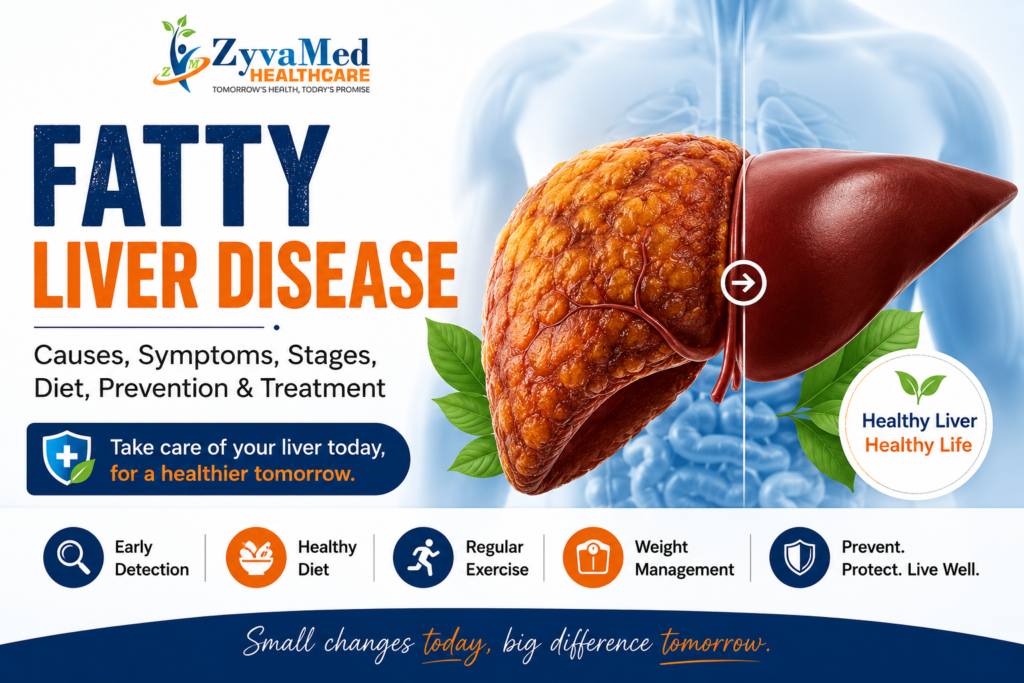
Fatty Liver Disease: Everything You Need to Know
Fatty Liver Disease has become one of the most common lifestyle-related health conditions worldwide. Due to unhealthy eating habits, obesity, diabetes, and sedentary lifestyles, millions of people are being diagnosed with fatty liver every year. Although it often develops silently without noticeable symptoms, untreated fatty liver can lead to severe liver damage and other health complications.
Understanding the causes, symptoms, stages, prevention methods, and treatment options can help you take control of your liver health and prevent long-term complications.
What is Fatty Liver Disease?
Fatty Liver Disease occurs when excess fat accumulates in liver cells. Normally, the liver contains a small amount of fat, but when fat makes up more than 5–10% of the liver’s weight, it is considered a fatty liver.
The liver is one of the most important organs in the body. It helps in:
- Detoxifying harmful substances
- Producing bile for digestion
- Storing vitamins and minerals
- Regulating blood sugar levels
- Metabolizing fats and proteins
When excessive fat builds up in the liver, its ability to function properly may become impaired.
Types of Fatty Liver Disease
1. Non-Alcoholic Fatty Liver Disease (NAFLD)
This is the most common type and occurs in people who consume little or no alcohol.
NAFLD is often associated with:
- Obesity
- Type 2 diabetes
- High cholesterol
- High triglycerides
- Metabolic syndrome
2. Alcoholic Fatty Liver Disease (AFLD)
This condition develops due to excessive alcohol consumption.
Alcohol damages liver cells and interferes with fat metabolism, causing fat accumulation in the liver.
Causes of Fatty Liver Disease
Several factors can contribute to the development of fatty liver disease.
Common Causes
Obesity
Excess body fat increases fat storage in the liver.
Type 2 Diabetes
Insulin resistance can lead to increased fat accumulation.
High Cholesterol and Triglycerides
Elevated blood fats contribute significantly to fatty liver.
Poor Diet
A diet rich in:
- Processed foods
- Sugary beverages
- Refined carbohydrates
- Fast food
can increase liver fat.
Lack of Physical Activity
A sedentary lifestyle promotes weight gain and liver fat accumulation.
Excessive Alcohol Consumption
Heavy drinking is a major cause of alcoholic fatty liver disease.
Certain Medications
Some medications may affect liver function and contribute to fatty liver.
Symptoms of Fatty Liver Disease
Many people experience no symptoms in the early stages.
As the condition progresses, symptoms may include:
- Persistent fatigue
- Weakness
- Unexplained weight loss
- Loss of appetite
- Discomfort in the upper right abdomen
- Nausea
- Difficulty concentrating
- Enlarged liver
In advanced stages, symptoms may include:
- Yellowing of skin and eyes (jaundice)
- Swelling in legs and abdomen
- Dark urine
- Easy bruising
Stages of Fatty Liver Disease
Stage 1: Simple Fatty Liver (Steatosis)
Fat accumulates in liver cells without significant inflammation or damage.
This stage is often reversible through lifestyle changes.
Stage 2: Non-Alcoholic Steatohepatitis (NASH)
The liver becomes inflamed due to excess fat accumulation.
Inflammation can gradually damage liver tissue.
Stage 3: Fibrosis
Continuous inflammation causes scar tissue formation.
The liver still functions but begins to lose efficiency.
Stage 4: Cirrhosis
Severe scarring replaces healthy liver tissue.
This stage may lead to liver failure and requires urgent medical management.
Risk Factors
You may have a higher risk of developing fatty liver if you:
- Are overweight or obese
- Have diabetes
- Have high blood pressure
- Have high cholesterol
- Have metabolic syndrome
- Consume excessive alcohol
- Are above 40 years of age
- Have a family history of liver disease
How is Fatty Liver Diagnosed?
Doctors use various methods to diagnose fatty liver disease.
Physical Examination
The doctor may check for liver enlargement.
Blood Tests
Liver function tests help identify abnormal liver enzymes.
Ultrasound
Often the first imaging test used to detect liver fat.
CT Scan or MRI
Provides more detailed liver images.
FibroScan
Measures liver stiffness and fibrosis.
Liver Biopsy
In some cases, a small tissue sample is examined to determine disease severity.
Best Diet for Fatty Liver Disease
Diet plays a crucial role in managing fatty liver disease.
Foods to Eat
Fruits and Vegetables
Rich in antioxidants and fiber.
Whole Grains
- Oats
- Brown rice
- Quinoa
Lean Proteins
- Fish
- Chicken
- Eggs
- Lentils
Healthy Fats
- Nuts
- Seeds
- Olive oil
- Avocados
Green Tea
May help reduce liver fat and inflammation.
Coffee
Research suggests moderate coffee intake may support liver health.
Foods to Avoid
Sugary Foods
- Soft drinks
- Candies
- Cakes
Refined Carbohydrates
- White bread
- Pastries
- White rice
Fried Foods
- Chips
- Fast food
- Deep-fried snacks
Excessive Alcohol
Avoid alcohol completely if diagnosed with fatty liver.
Processed Foods
Reduce intake of packaged and processed foods.
Treatment of Fatty Liver Disease
Currently, there is no specific medication approved solely for treating most cases of fatty liver disease.
Treatment mainly focuses on addressing underlying causes.
Weight Loss
Losing 5–10% of body weight can significantly reduce liver fat.
Regular Exercise
Aim for at least:
- 150 minutes of moderate exercise per week
Activities include:
- Walking
- Cycling
- Swimming
- Yoga
Diabetes Control
Maintaining healthy blood sugar levels helps prevent liver damage.
Cholesterol Management
Controlling cholesterol and triglyceride levels supports liver health.
Avoid Alcohol
Complete alcohol avoidance is recommended, especially in advanced cases.
Can Fatty Liver Be Reversed?
Yes.
The good news is that early-stage fatty liver disease is often reversible.
Many patients see significant improvement through:
- Healthy eating
- Weight management
- Physical activity
- Proper diabetes control
- Avoiding alcohol
The earlier the condition is detected, the better the chances of reversing liver damage.
Prevention Tips
You can reduce your risk of fatty liver disease by:
✅ Maintaining a healthy weight
✅ Exercising regularly
✅ Following a balanced diet
✅ Limiting sugar intake
✅ Avoiding excessive alcohol
✅ Managing diabetes and cholesterol
✅ Getting regular health checkups
✅ Staying hydrated
Conclusion
Fatty Liver Disease is a growing health concern that often develops silently but can lead to serious complications if left untreated. Fortunately, early diagnosis and lifestyle modifications can prevent progression and even reverse the condition in many cases.
A healthy diet, regular exercise, weight management, and routine medical checkups are the foundation of liver health. If you experience symptoms or have risk factors such as obesity, diabetes, or high cholesterol, consult a healthcare professional for timely evaluation and treatment.
Healthy lifestyle choices today can protect your liver for years to come.
Frequently Asked Questions (FAQs)
1. What is the main cause of fatty liver disease?
The most common causes are obesity, diabetes, high cholesterol, poor diet, and excessive alcohol consumption.
2. Is fatty liver disease serious?
Yes. If left untreated, it can progress to liver inflammation, fibrosis, cirrhosis, and liver failure.
3. Can fatty liver be cured completely?
Early-stage fatty liver can often be reversed through weight loss, exercise, and dietary changes.
4. What foods should I avoid if I have fatty liver?
Avoid sugary drinks, processed foods, fried foods, refined carbohydrates, and alcohol.
5. Is fatty liver related to diabetes?
Yes. People with Type 2 diabetes have a significantly higher risk of developing fatty liver disease.
6. Can exercise reduce fatty liver?
Yes. Regular physical activity helps burn excess fat and improve liver health.
7. How long does it take to reverse fatty liver?
Improvement may be seen within a few months of adopting healthy lifestyle changes, though results vary by individual.
8. Can non-drinkers get fatty liver disease?
Yes. Non-Alcoholic Fatty Liver Disease (NAFLD) is common among people who do not consume alcohol.
9. Which fruit is best for fatty liver?
Apples, berries, oranges, and grapefruit are often recommended due to their fiber and antioxidant content.
10. How can I keep my liver healthy?
Eat a balanced diet, exercise regularly, maintain a healthy weight, avoid excessive alcohol, and get routine health screenings.