Pharmaceutical Industry Trends in 2026: What the Future Holds
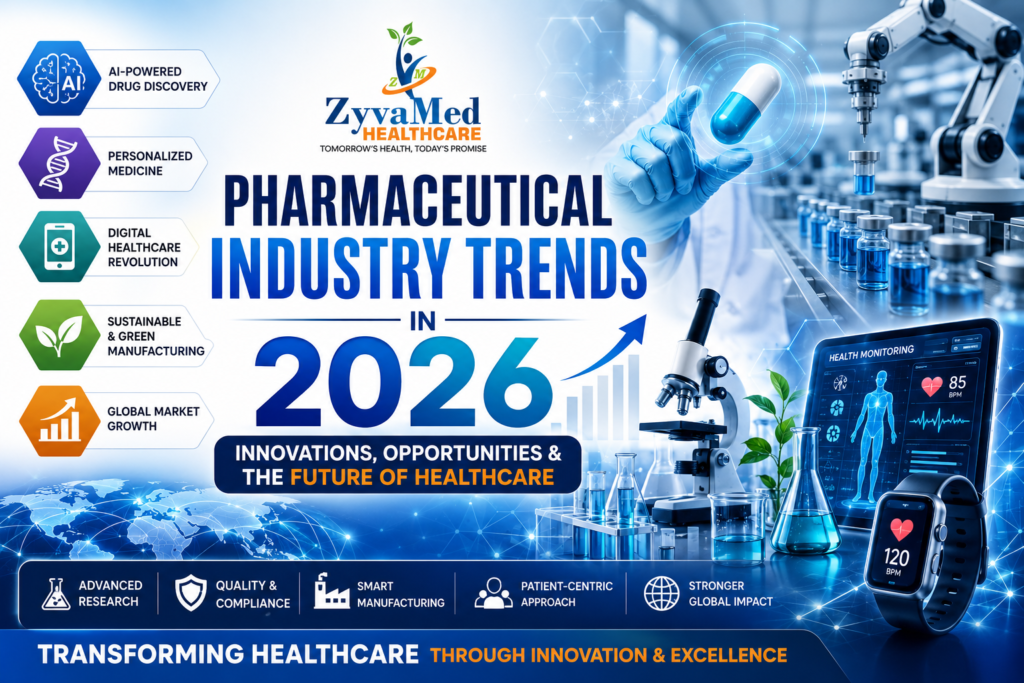
The pharmaceutical industry is evolving faster than ever before. Advances in technology, changing patient expectations, regulatory developments, and the increasing demand for innovative therapies are transforming the way medicines are discovered, manufactured, and delivered.
As we move through 2026, pharmaceutical companies, healthcare professionals, and investors are closely watching emerging trends that are expected to redefine the future of healthcare.
In this article, we explore the most important pharmaceutical industry trends in 2026 and how they are shaping the global healthcare landscape.
1. Artificial Intelligence (AI) in Drug Discovery
Artificial Intelligence has become one of the most influential technologies in pharmaceutical research.
Traditionally, developing a new drug could take 10–15 years and cost billions of dollars. AI is helping companies accelerate this process by analyzing massive datasets, identifying potential drug candidates, and predicting outcomes more efficiently.
Benefits of AI in Pharma
✔ Faster drug discovery
✔ Reduced research costs
✔ Improved clinical trial success rates
✔ Better prediction of drug effectiveness
✔ Enhanced patient outcomes
In 2026, more pharmaceutical companies are investing heavily in AI-powered platforms to streamline research and development.
2. Growth of Personalized Medicine
The healthcare industry is shifting away from a “one-size-fits-all” approach.
Personalized medicine uses genetic information, lifestyle factors, and patient history to create treatments tailored to individual needs.
Why Personalized Medicine is Growing
- Better treatment outcomes
- Reduced side effects
- Increased patient satisfaction
- Improved disease management
Conditions such as cancer, diabetes, cardiovascular diseases, and rare genetic disorders are increasingly benefiting from personalized treatment strategies.
3. Rising Demand for Preventive Healthcare
People today are becoming more health-conscious than ever before.
Instead of waiting for diseases to develop, patients are focusing on prevention through:
- Regular health screenings
- Vaccinations
- Nutritional supplements
- Lifestyle modifications
- Fitness programs
Pharmaceutical companies are responding by expanding preventive healthcare portfolios and wellness-focused products.
4. Expansion of Digital Healthcare
Digital healthcare continues to revolutionize patient care in 2026.
Telemedicine, wearable devices, mobile health applications, and remote monitoring systems are helping patients manage their health more effectively.
Popular Digital Health Technologies
- Smartwatches
- Fitness trackers
- Health monitoring apps
- Virtual doctor consultations
- AI-powered health assistants
Digital healthcare is making quality medical services more accessible, especially in rural and underserved regions.
5. Sustainable and Eco-Friendly Manufacturing
Environmental responsibility has become a major focus for pharmaceutical manufacturers.
Companies are adopting greener production practices to reduce their environmental impact.
Sustainable Initiatives Include
✔ Reduced water consumption
✔ Renewable energy adoption
✔ Eco-friendly packaging
✔ Waste reduction programs
✔ Lower carbon emissions
In 2026, sustainability is not just a corporate responsibility—it is becoming a competitive advantage.
6. Growth of Biologics and Biosimilars
Biologics continue to dominate the pharmaceutical market due to their effectiveness in treating complex diseases.
These therapies are commonly used for:
- Cancer
- Autoimmune disorders
- Rheumatoid arthritis
- Crohn’s disease
- Psoriasis
At the same time, biosimilars are gaining popularity because they offer similar therapeutic benefits at lower costs.
Benefits of Biosimilars
- Increased affordability
- Wider patient access
- Reduced healthcare expenses
- Expanded treatment options
The biosimilar market is expected to grow significantly throughout 2026 and beyond.
7. Focus on Rare Diseases
Rare diseases affect millions of people worldwide, yet many conditions still lack effective treatments.
Pharmaceutical companies are increasingly investing in orphan drug development to address unmet medical needs.
Key Drivers
- Government incentives
- Advanced genetic research
- Improved diagnostic technologies
- Rising awareness among healthcare professionals
This sector presents significant opportunities for innovation and market growth.
8. Strengthening Supply Chain Management
The pharmaceutical industry learned valuable lessons from recent global disruptions.
In 2026, companies are prioritizing resilient and transparent supply chains.
Major Strategies Include
✔ Local sourcing
✔ Digital inventory tracking
✔ Risk management systems
✔ Multiple supplier networks
✔ Real-time logistics monitoring
A stronger supply chain ensures consistent medicine availability and minimizes shortages.
9. Increased Demand for Nutraceuticals
The line between healthcare and wellness continues to blur.
Consumers are increasingly purchasing:
- Vitamins
- Minerals
- Herbal supplements
- Immunity boosters
- Protein supplements
Growing awareness about preventive health has fueled demand for nutraceutical products globally.
Pharmaceutical companies are expanding into this sector to meet changing consumer preferences.
10. Smart Packaging Technologies
Packaging is becoming more advanced and patient-focused.
Smart packaging solutions improve medication adherence and product safety.
Examples Include
- QR codes for product verification
- Temperature-sensitive packaging
- Digital patient instructions
- Anti-counterfeiting technologies
- Medication reminder systems
These innovations help improve treatment outcomes while enhancing patient trust.
11. Expansion of Contract Manufacturing
Contract manufacturing and third-party manufacturing services are experiencing remarkable growth.
Many pharmaceutical brands prefer outsourcing manufacturing to specialized facilities because it offers:
✔ Lower operational costs
✔ Faster market entry
✔ Regulatory compliance support
✔ Access to advanced technologies
✔ Improved scalability
This trend is creating significant opportunities for reliable third-party manufacturing partners.
12. Data-Driven Decision Making
Data analytics is becoming essential across all pharmaceutical operations.
Companies now use advanced analytics for:
- Market forecasting
- Clinical research
- Supply chain optimization
- Patient engagement
- Product development
Organizations that effectively leverage data gain a significant competitive advantage in the marketplace.
Challenges Facing the Pharmaceutical Industry in 2026
Despite rapid advancements, several challenges remain.
Key Challenges
- Rising development costs
- Regulatory complexities
- Drug pricing pressures
- Counterfeit medicines
- Cybersecurity risks
- Supply chain disruptions
Successful pharmaceutical companies will be those that adapt quickly while maintaining quality, compliance, and innovation.
Opportunities for Pharmaceutical Companies
The pharmaceutical sector continues to offer tremendous growth potential.
Emerging Opportunities
✔ AI-powered drug development
✔ Digital health solutions
✔ Specialty medicines
✔ Preventive healthcare products
✔ Biologics and biosimilars
✔ Third-party manufacturing services
✔ Nutraceuticals and wellness products
Companies that embrace innovation and patient-centered healthcare will be best positioned for future success.
The Future of Pharma Beyond 2026
The future of healthcare will be driven by technology, personalization, and accessibility.
Expected developments include:
- Faster drug development using AI
- Expansion of gene therapies
- More personalized treatment plans
- Advanced digital health ecosystems
- Sustainable pharmaceutical manufacturing
- Improved patient engagement
The industry is moving toward a future where healthcare becomes more efficient, affordable, and patient-focused.
Conclusion
The pharmaceutical industry in 2026 stands at the intersection of science, technology, and patient care. From artificial intelligence and personalized medicine to digital healthcare and sustainable manufacturing, the sector is undergoing a remarkable transformation.
Organizations that invest in innovation, embrace emerging technologies, and prioritize patient outcomes will lead the next generation of healthcare advancements.
As the industry evolves, pharmaceutical companies have an unprecedented opportunity to improve global health while creating long-term business growth.
FAQs
What is the biggest pharmaceutical trend in 2026?
Artificial Intelligence in drug discovery and personalized medicine are among the most significant trends shaping the industry.
Why is personalized medicine important?
It allows treatments to be tailored to individual patients, improving effectiveness and reducing side effects.
How is AI helping pharmaceutical companies?
AI accelerates drug discovery, improves research efficiency, reduces costs, and enhances clinical trial success rates.
What are biosimilars?
Biosimilars are highly similar versions of approved biologic medicines that provide comparable safety and effectiveness at lower costs.
Why is digital healthcare growing?
Digital healthcare improves accessibility, enables remote monitoring, and enhances patient engagement through technology.
What opportunities exist for pharmaceutical companies in 2026?
AI-driven research, third-party manufacturing, nutraceuticals, digital health solutions, and biologics offer significant growth opportunities.